
Bed bugs are a persistent problem, often infesting homes without notice. They can be difficult to eliminate due to their hiding habits and rapid reproduction.
Understanding effective treatment methods is essential for anyone facing an infestation. A combination of DIY strategies and professional interventions can provide a pathway to eradication.
However, knowing the best steps to take and when to seek help can make all the difference in achieving a bed bug-free environment.
How do bed bugs infiltrate living spaces? These pests often enter homes through various means, primarily hitching rides on luggage, clothing, or used furniture. They can also travel between units in multi-family buildings via cracks and crevices.
Bed bugs are adept at hiding, making detection difficult. Typically, they prefer warm environments, such as mattresses and bed frames. Once inside, they reproduce quickly, leading to larger infestations. Their resilience allows them to survive in diverse conditions, complicating eradication efforts.
Understanding their methods of infiltration is essential for effective prevention and treatment strategies to combat these unwelcome intruders.
Recognizing the signs of a bed bug infestation is essential for timely intervention, as these pests can multiply rapidly and cause significant discomfort.
Common indicators include small, reddish-brown stains on bedding, tiny dark spots of excrement, and shed exoskeletons. An unpleasant, musty odor may also be present.
Awareness of these signs allows for swift action to mitigate the infestation.
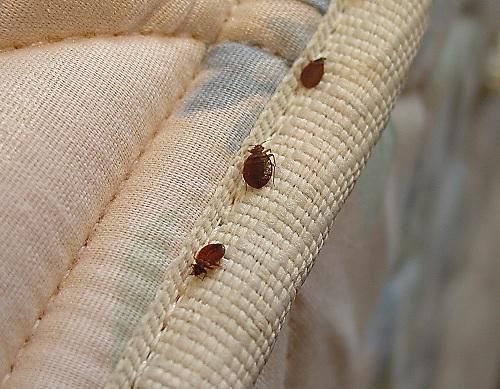
Once signs of a bed bug infestation have been identified, taking immediate action becomes necessary to prevent further spread.
DIY bed bug treatment methods can be effective in managing small infestations. Common approaches include washing bedding and clothing in hot water, vacuuming thoroughly, and using steam cleaners on infested areas. Additionally, diatomaceous earth can be applied to cracks and crevices, as it dehydrates insects upon contact.
Encasements for mattresses and box springs can also help trap any remaining bugs. However, diligence and repeat treatments are essential, as bed bugs are resilient and may require multiple strategies for complete elimination.
When dealing with a significant bed bug infestation, enlisting professional bed bug extermination services can provide a complete solution.
These experts utilize advanced techniques, including heat treatments, chemical applications, and integrated pest management strategies, to eliminate bed bugs effectively. Professionals conduct thorough inspections to identify all infested areas, ensuring no bugs are overlooked.
Additionally, they possess the knowledge to assess the severity of the infestation and tailor their methods accordingly. By employing trained technicians, individuals can achieve a higher success rate and faster results, ultimately leading to a more comfortable and pest-free living environment.
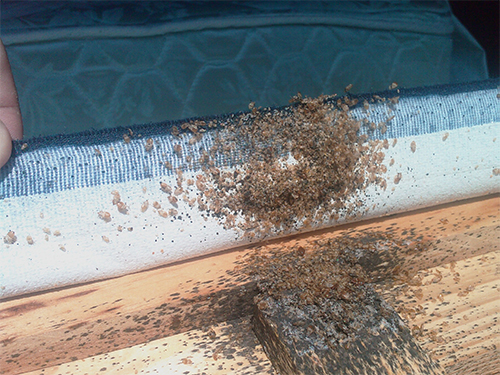
To effectively prevent future bed bug infestations, individuals must adopt a proactive approach that includes regular inspections and strategic practices.
Key methods include examining secondhand furniture, using protective mattress encasements, and being vigilant while traveling.
Keeping clutter to a minimum and sealing cracks in walls can also deter bed bugs.
Maintaining a bed bug-free home requires consistent effort and attention to detail. Regularly inspect bedding, upholstery, and carpets for signs of infestation, such as shed skins or fecal spots.
Vacuum frequently and empty the vacuum bag outside immediately. Encase mattresses and box springs in bed bug-proof covers to trap any existing bugs. Reduce clutter to minimize hiding spots, and seal cracks and crevices in walls and furniture.
When traveling, check hotel rooms thoroughly and keep luggage off the floor. Promptly launder clothing and linens on high heat to eliminate any potential hitchhikers. By following these practices, homeowners can effectively deter bed bugs.
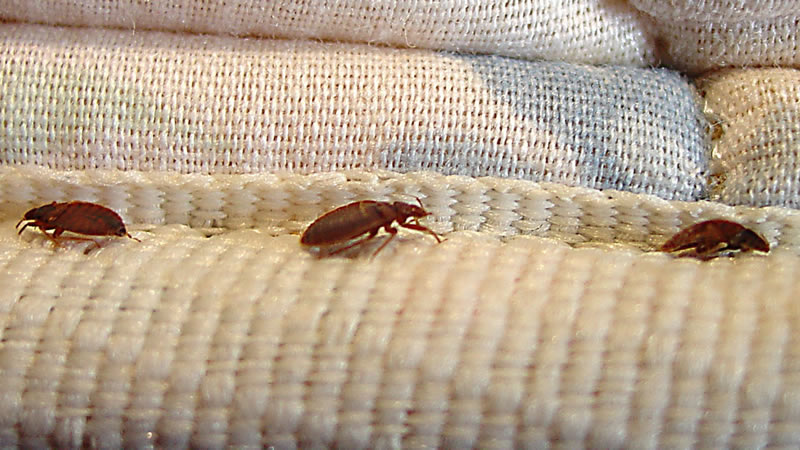
During bed bug treatment, it is advisable to relocate pets to a safe area outside the home or to a trusted friend's house. This guarantees their safety from any chemicals used in the treatment process. Additionally, all pet bedding and belongings should be washed and treated to eliminate any potential bed bug presence. After the treatment, pets should only return once the area has been thoroughly ventilated and declared safe for re-entry.
Bed bugs do not transmit diseases to humans. Their primary mode of interaction with humans involves biting to feed on blood, which can lead to discomfort and allergic reactions. While they can cause skin irritations and secondary infections from scratching, the lack of disease transmission sets them apart from other pests. Research indicates that bed bugs have not been linked to any pathogens that are harmful to human health, making them primarily a nuisance.
Bed bugs do not transmit diseases to humans. While their bites can cause discomfort, itching, and allergic reactions, research indicates that these pests are not carriers of pathogens that lead to disease transmission. The primary concern with bed bugs lies in their ability to cause psychological distress and anxiety due to infestations. As a result, while they pose significant nuisance, they are not considered a threat regarding spreading infectious diseases.